
Mother
Crazy

Content warning: This essay discusses suicidal ideation and psychiatric hospitalization.
Back in early 2024, when I was about to begin EMDR therapy, I googled other people’s experiences with the approach. One Reddit user claimed it had ruined their life. I was more focused on the hopeful anecdotes, so I half rolled my eyes when I read it. I figured they were exaggerating or hadn’t done the therapy “correctly.” After my own year-plus journey with the modality, and everything that has followed, I found myself side-eyeing that initial assumption. Maybe it did upend their life. Maybe that was the point. Sometimes what gets dismantled is meant to come down anyway. Of course, I don’t actually know what happened to that person; their experience may have been truly devastating. For me, though, I can see that despite the chaos this chapter has brought, it has also opened the door to profound healing.
With EMDR, the premise is that you safely revisit traumatic memories in order to reprocess them from a more grounded and coherent place. In the process, it isn’t uncommon for old wounds to resurface, sometimes sideways, sometimes all at once. These scars are asking to be seen again, this time with greater awareness and context. That has certainly been true for me. What I didn’t realize was how far back the excavation would go. I wasn’t just confronting my own past; I was coming into contact with unprocessed pain that had been passed down to me.
Several weeks ago, when I found myself involuntarily committed to a behavioral health unit, that realization crystallized. My mother had been in the very same facility over thirty years ago. I was three at the time, so I don’t hold conscious memories of the event. What remained instead were somatic imprints: stories half-told, emotions inherited rather than directly experienced. I began to wonder how deep the healing of generational trauma really goes, and whether I had been unconsciously reenacting something I only remembered in fragments. It left me with a lingering question: where do the lives of our parents and ancestors end, and where do ours begin?
It began unintentionally. I had parked overnight in an empty lot, stalled by the kind of overwhelm that builds quietly until it’s hard to tell which direction to go. As I was debating driving away, a police officer pulled up to check whether my car had been abandoned. When he came to the window, it was obvious I’d been crying. He asked if I was okay, and I answered more honestly than I meant to. I told him I’d had a rough month, that something frightening had happened recently, and that my thoughts hadn’t fully settled since. I didn’t think of it as a crisis; I thought of it as context. What I didn’t know then was that once I said those things, he legally couldn’t just wish me well and drive away.
I ended up in the ER and was seen by a social worker. She was polite and concerned for my safety, except at one point she said I was “decompensating,” which I initially heard as decomposing. The word annoyed me, especially paired with her insistence that I was “clearly depressed.” I didn’t argue extensively, yet I felt the limits of an evaluation decided in fifteen minutes. Yes, I experience moments of dysregulation, however I'm generally motivated and upbeat. The diagnosis I’ve received from two long-term therapists has been CPTSD, which better reflects how stress and triggers move through me. Still, despite my reservations, I was placed on an involuntary hold and transferred to what people on the outside casually call the “loony bin,” a phrase that turns something unsettling and complex into a joke.
When I arrived, I was processed. My clothes were taken, my vitals were checked, I was shown around, and I completed an intake. With every shift change, the same question returned: “What brought you in here?” That first evening, I answered carefully and honestly. By the next morning, when the prescribing nurse asked, I had grown tired of the same explanation. I looked him in the eye and responded, “Late-stage capitalism.” For a moment, I thought of Good Will Hunting, although One Flew Over the Cuckoo’s Nest was probably the more accurate comparison. Ironically, when I lived in Salem years ago, I had a neighbor who told me she had been at the Oregon State Hospital in the 1970s. She talked about being there when they filmed the movie and getting to meet the cast and crew.
My neighbor was an intelligent, humorous, and kind woman. Not unlike many of the other patients I met. The woman I was roommates with was there for hearing voices. She was more introverted, like me, with a gentle spirit and a noticeable attunement to her environment. One night, I mused privately whether she had clairaudient gifts she hadn’t been taught how to manage. I didn’t share this thought, but found it curious when the next day I overheard her say on the phone, “I had the craziest dream last night that the reason I'm in here is because of a psychic.”
I want to be clear: clinical intervention absolutely serves a purpose. When someone is experiencing thoughts or perceptions that cause extreme distress or risk of harm, treatment and medication can be essential. Full stop. Still, it’s worth noting that many cultures across time and place have offered broader frameworks for understanding certain traits—frameworks that Western society often pathologizes, particularly when those traits appear in women, minorities, and highly sensitive people.
One woman I spent time with was a young mother with a new infant. I wondered whether she was, in part, experiencing postpartum depression. She was a pisces and loved to dance. At one point, she sat off to the side, overcome by how much she missed her babies. Another patient stepped in to comfort her. I had already observed how easily this woman used humor to lighten the mood. She made a joke with the young mom about offering a hug she wasn’t allowed to give, something about how it might buy her a longer stay. It was a small, touching gesture from someone who likely needed that hug herself.
Then there was the “problem” patient.
The first morning I was there, I woke to her voice carrying down the hallway, urgent and uncontained. There had been an incident while she was showering; she kept repeating, “My privacy was violated.” For context, staff conduct head checks every fifteen minutes. It doesn’t matter if you’re eating or on the toilet, they have to see your face. I considered if she carried trauma around her personal space. Whatever the origin, her distress seemed to spark a negative feedback loop. As I wandered toward the scene, I could see the staff looked visibly irritated. I found myself saying aloud that she probably just needed a hug. I knew it wasn’t permitted, yet it felt like the most calming response. Instead, I was ushered into the dining room.
In there, someone remarked, “I knew she was crazy when they brought her in.” The quiet absurdity of one “crazy” person labeling another as such troubled me. I also heard nurses gossiping about her in lowered voices at their station. I understand the need to vent, but it felt insensitive to do so within earshot of those they were meant to be caring for.
What disturbed me most was how much projection she absorbed, even as she seemed dimly aware of it herself. On another day, mid-tears and raised voice, she tried to explain herself to a nurse whose patience had thinned. I know how I come across, I just look like a whiny bitch. There was a painful clarity in that moment: seeing yourself through the eyes of an institution that has already decided who you are. I’ve seen this dynamic before, in families and other dysfunctional systems. Once one person is designated as the difficulty, the pressure releases everywhere else. Often it’s the most sensitive person who unconsciously carries that role, internalizing what others disown, especially if they’ve never been taught how to protect their boundaries.
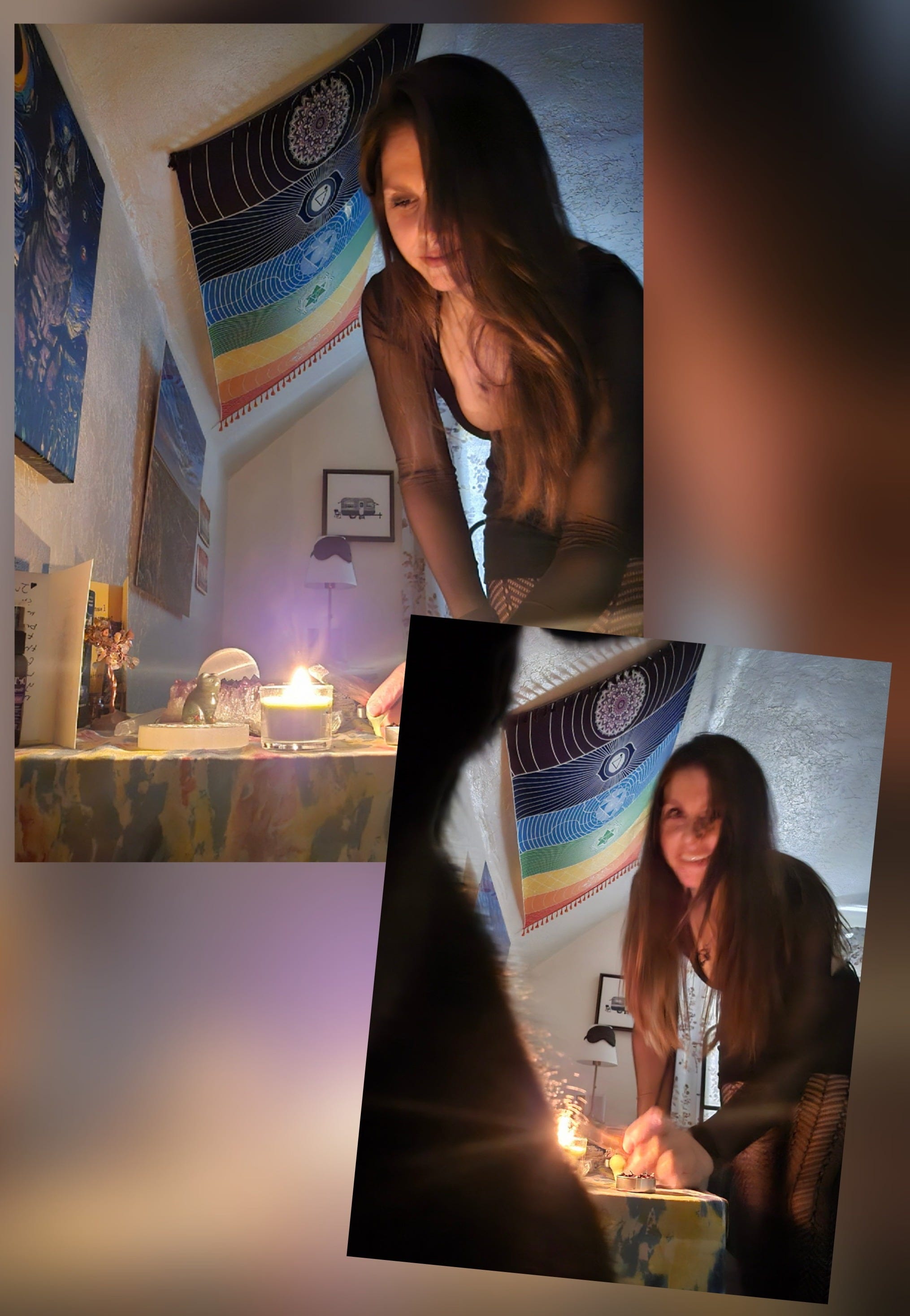
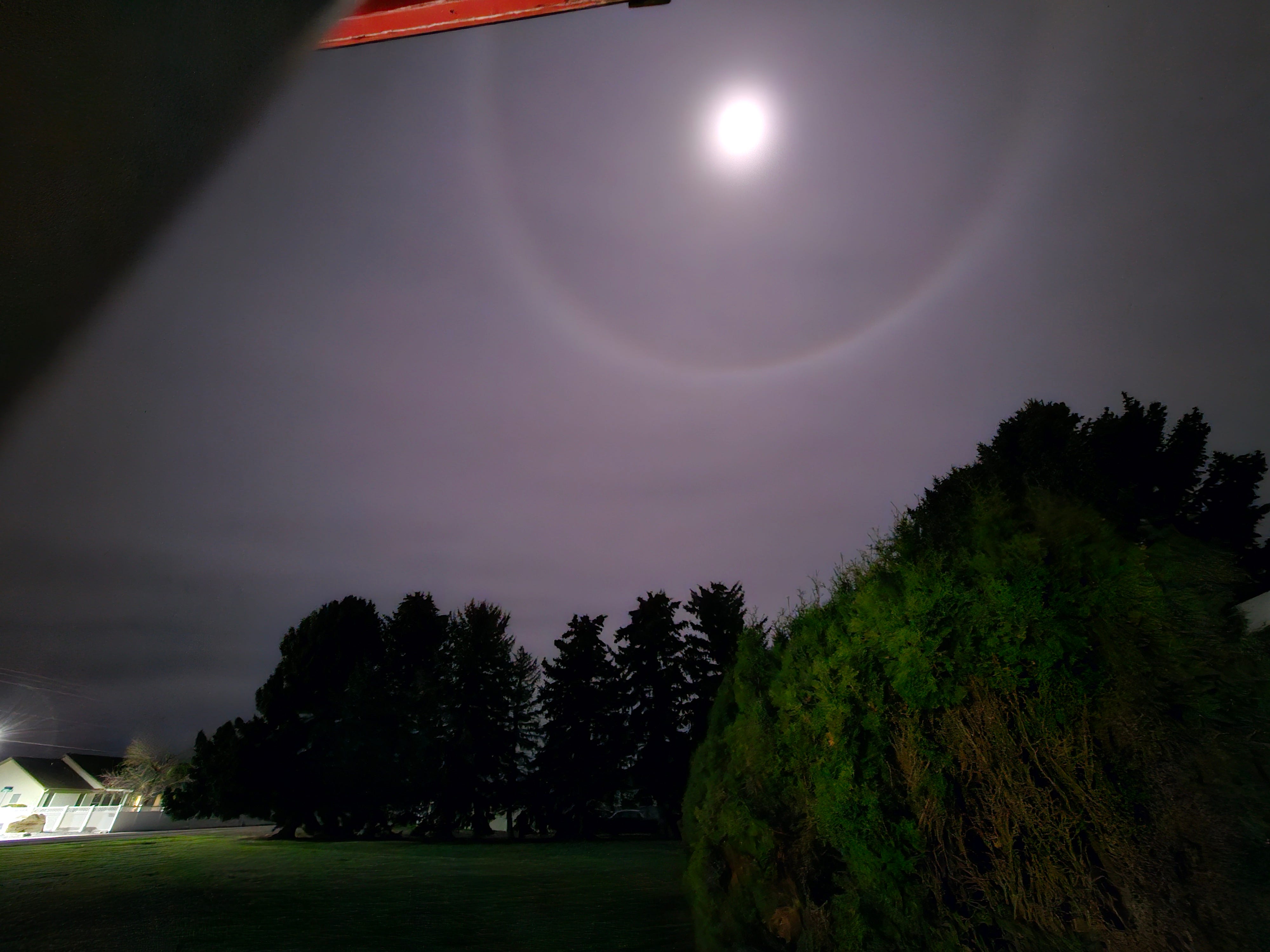
One afternoon at lunch, I struck up a conversation with her. I mentioned polyvagal theory and was surprised she already knew it. We discovered we were both Year of the Snake. She told me about practicing qigong and making moon water. I lit up and told her I did the same—I’d made it for the past three full moons. As the realization landed, I half joked, “I think that’s why I’m in here.” She smiled wryly, careful not to choke on her food.
It wasn’t only the other residents I felt for; it was the personnel too. Overall, they were attentive and professional. There was also a prevailing numbness, threaded with fatigue, and a sense that emotional distance was being carefully maintained. I understood why. They are human, with their own lives and histories, working daily with crises and safety risks.
The physical environment didn’t help. The unit was often loud with raised voices, doors slamming, noises that ricocheted without warning. As someone with misophonia, it kept my nervous system on edge. Eventually, I was able to leave while they went back to their stations, their shifts, the same locked doors. It made me wonder whether some of the staff’s guardedness came from an unspoken fear that under different circumstances, they could be on the other side of the desk, wearing the kind of scrubs that come with a pair of grippy socks.
I also noticed how the length of a shift seemed to correlate with emotional availability. Someone working eight hours has more opportunity to decompress between rotations than someone working twelve. This difference was most apparent when I met with the designated examiner assigned to assess whether my hold was necessary. There was a groundedness to his presence, an immediate warmth. It made sense. He arrived for a defined purpose, stayed briefly, and then stepped away. His nervous system was regulated, and that steadiness helped settle my own. I felt safer, and my mood lifted because of it.
I don’t want to discredit the people working within that system. There was a social worker with similar interests who lent me a thoughtful book, and a nurse who genuinely understood why I struggled to sleep there, even after swallowing whatever pill they offered. Both seemed to recognize, in their own way, that the problem wasn’t individual failure but something structural.
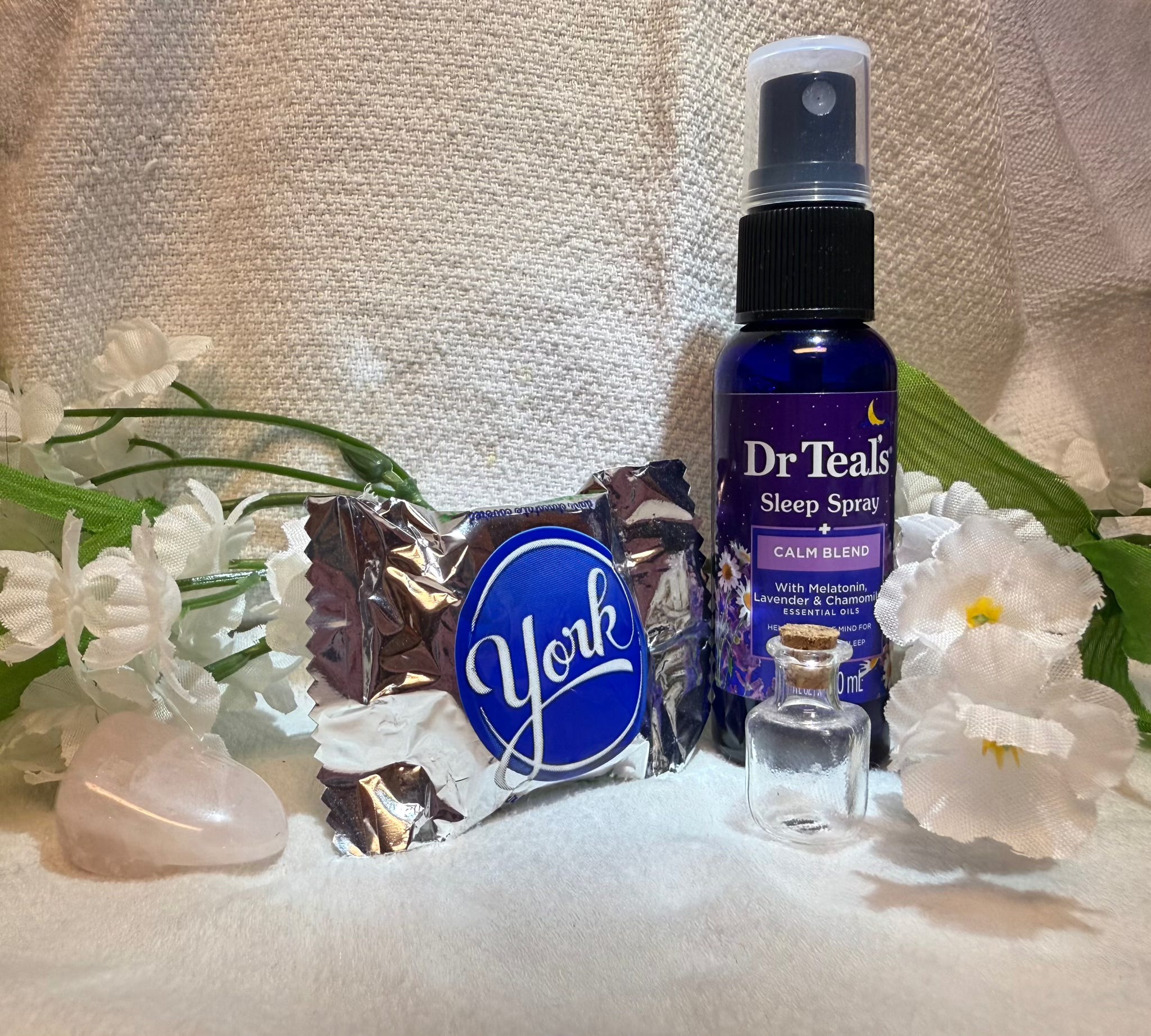
The moments that were most effective weren’t the ones built around compliance or correction, they were the ones designed to calm the body first. There was a sensory group every morning that most patients loved best. Talking was not allowed, the lights were dimmed, stations were set up for the various senses: listening to music, tasting chocolate, breathing in essential oils, resting under a weighted blanket. Every few minutes, we rotated quietly from one to the next. When it ended, the room felt different. People were calmer, softer, more present in themselves. The group designed not to analyze, fix, or explain anything helped the most. We need more environments like that; ones that soothe rather than provoke, regulate rather than demand, and tend to distress as something to be met with care instead of control.
When I was released, I didn’t go home right away. I sat in the Smith’s parking lot, my body tight with anxiety. I dreaded the uncertainty of how I’d be received. Shame crept in. I didn’t know whether my family felt resentment, relief, or something in between.
Eventually, I drove home. Once in the driveway, I stayed in my car, hands gripping the wheel, gathering myself. Walking to the door felt daunting. When I opened it, my cat Lilith ran toward me. I knelt to pet her, my hands still shaking, and filled her food bowl.
Then I heard my younger sibling, Jaden, peek their head out of their bedroom. “Hello?”
I stepped into view and replied quietly, “Hey.”
There was a brief pause. I’m pretty sure they noticed how rigid I was. Then they asked, gently, “Would you like a hug?”
I’ve cried in front of Jaden maybe two or three times in my life. In that moment, something broke open. I sobbed. It felt as though the weight of the past month, the past year, my lifetime, my mother’s lifetime, and the lives before hers all rushed through me at once. Not because of what I had endured, but because of how lovingly my pain was met.
That hug softened something ancient. It eased layers of shame, rejection, and abandonment I didn’t realize I was still carrying. It felt like touching the core of something vast and long held.
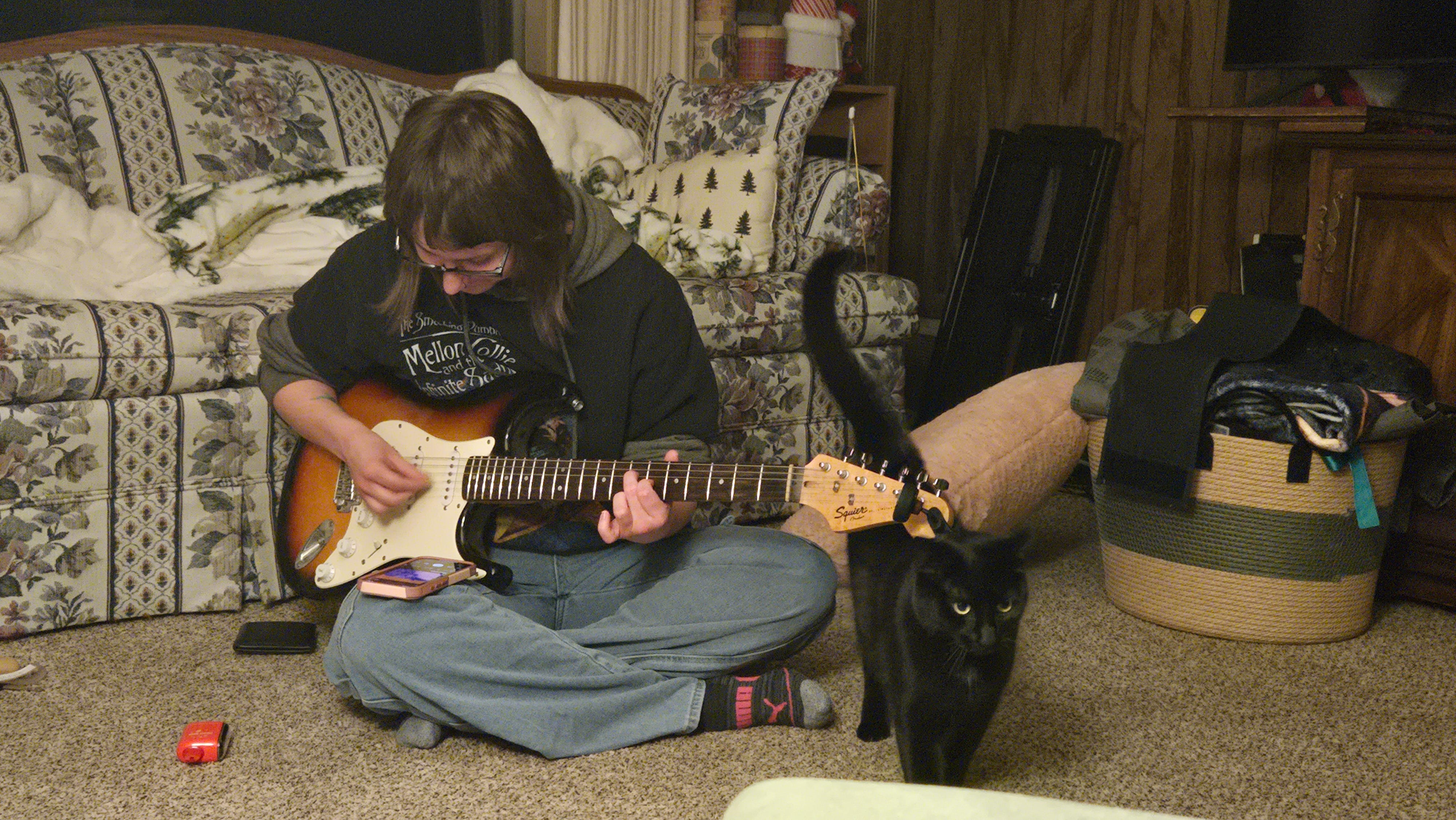
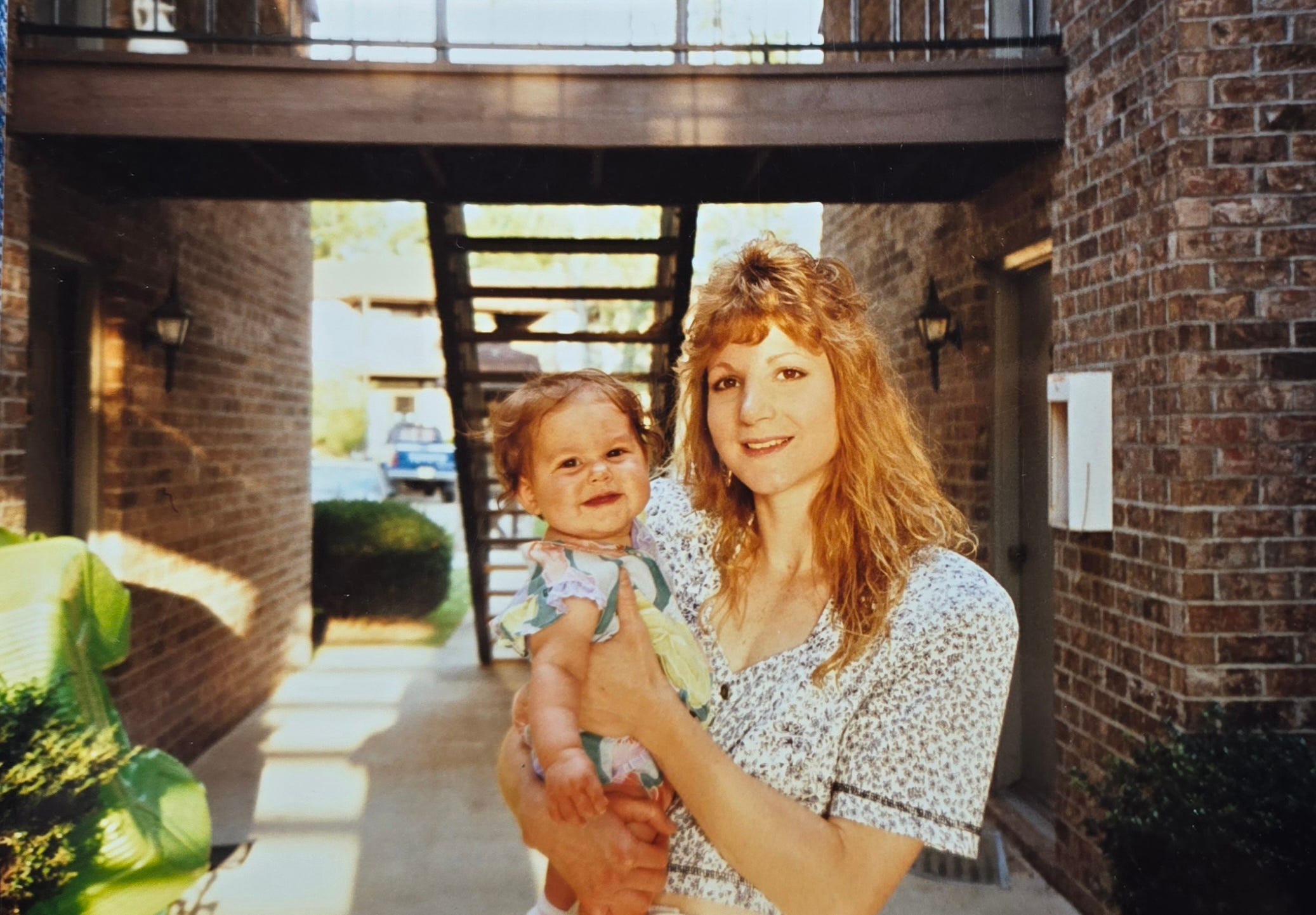
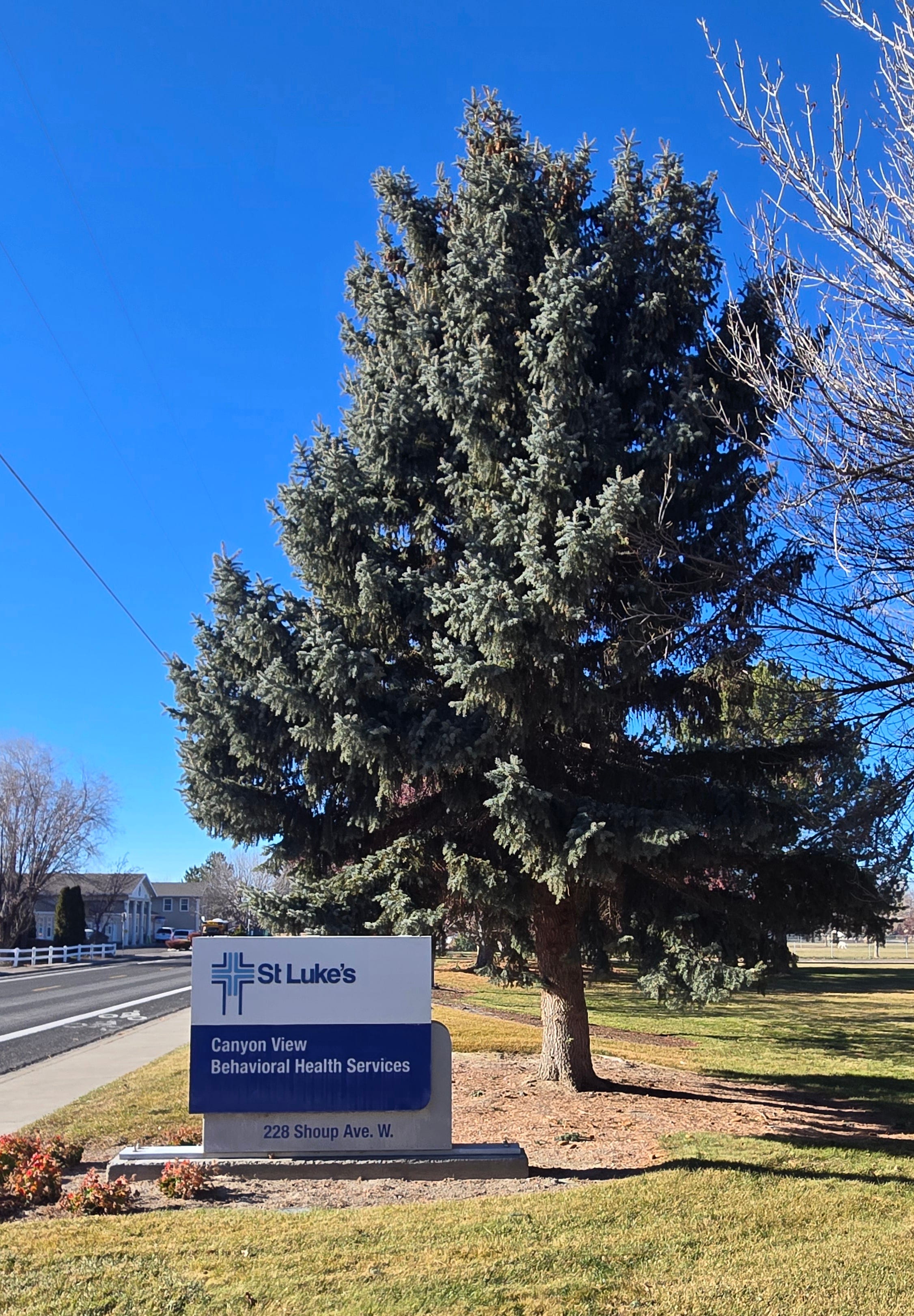
Much of my life, I have been estranged from my mother. Her anger can be searing, and she can cut you to the bone with words alone. When I was three, my father gained custody of me and my two older siblings. Shortly after, my mom survived a suicide attempt. She crashed a Volvo into a truck. My dad told me, his voice catching, that the front end was completely crushed, but the windshield didn’t even crack. She walked away without a scratch. Even her Ray-Bans were intact. That was how she ended up in Canyon View.
She grew up in an abusive home where violence was present and appearances mattered more than a child’s inner life. An immaculate house and social standing were valued over intuition, play, or emotional truth. My mother was the rebellious one who challenged that. She was kicked out as a teenager and sent to a group home. While there, her IQ was tested twice because it was so high. At seventeen, she was pressured into a decision that caused irreparable harm, yet went largely unheard. None of this excuses the rage she later directed outward, but it does give shape to how that rage formed.
Not long after my sibling’s hug, I found myself wondering what happened to my mother when she was released. She was twenty-six and already carrying immense trauma. Was anyone there to meet her? To offer a hug, or a warm meal? Did she have a safe place to go? I don’t know, because I never asked. But I am asking now, and I encourage others in similar situations to ask the questions that hurt.
Throughout my life, the cruelest insult my siblings (sisters especially) and I could throw at each other has been, “You’re like mom! You’re insane!” I've spent most of my life resisting that label, and yet I ended up in a mental health ward anyway. Today, I reclaim the narrative. Because the truth is, I am my mother’s daughter. That includes my impulsiveness, my anger, my ruminations, my grief, my wounds. It also includes what she passed down alongside them: fierceness, intelligence, resilience, a sharp memory, a love of symbolism, a rebel spirit. Beauty.
I no longer deny the parts of myself that make me whole. The parts that show I am human.
We live in an increasingly polarized world. People are flattened into stereotypes, often before they even speak. Nuance has been thrown out the window. Survival mode has become the default, in part, because we have not collectively learned how to engage in trauma-informed ways of being. When overwhelm has no outlet, blame becomes easier. It offers a false sense of safety, a way to avoid sitting with uncertainty, with discomfort, with the fact that both things can be true.
There is, however, one thing we can all do that is free: cultivate compassion. Especially when we don’t fully understand. Because relentless judgment and criticism do not correct or contain pain. They either create more of the “monster” or break a person entirely.
The next time you pass a psychiatric facility or hear one mentioned, remember this. Behind those stigmatized walls are brilliant minds and brilliant hearts—people carrying stories that have yet to be fully heard.
If my words have resonated with you, please consider subscribing.
As I give, I do receive.
Nourish you, nourish me
Circle of sacred reciprocity.
If you or someone you know is experiencing suicidal thoughts, please reach out. You can call or text the Suicide & Crisis Lifeline at 988. Help is available—24/7, confidential, and free. You are not alone.